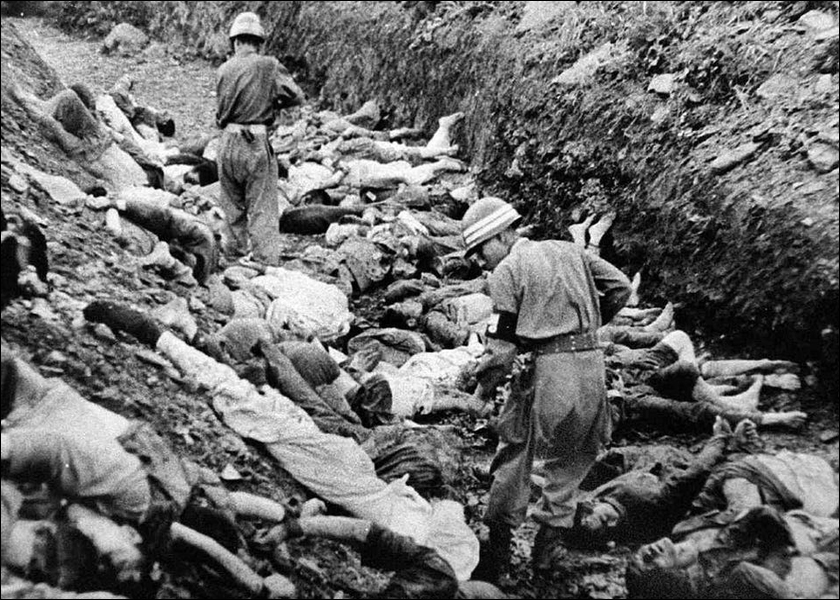
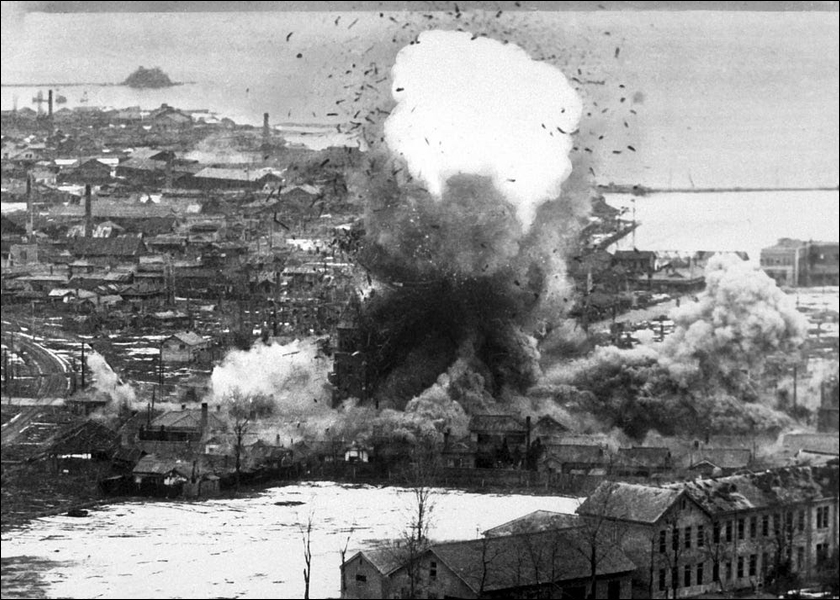
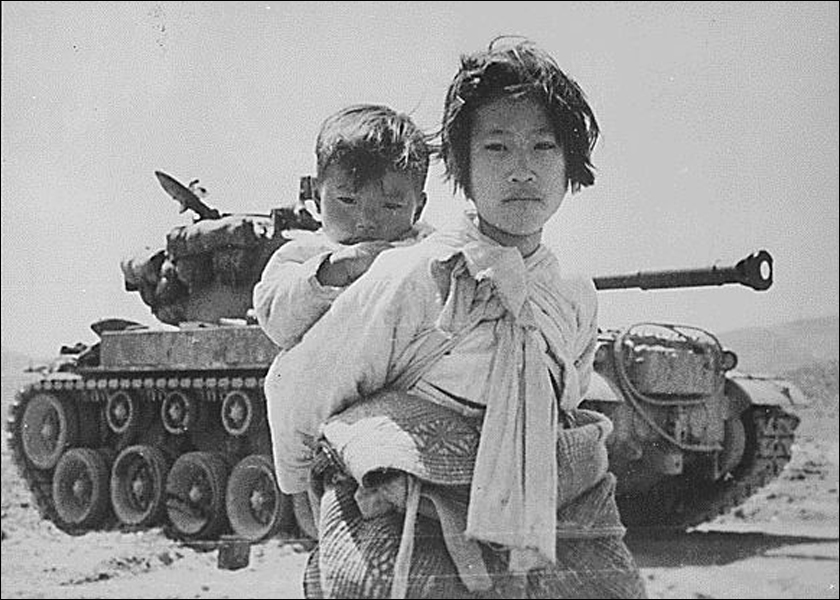
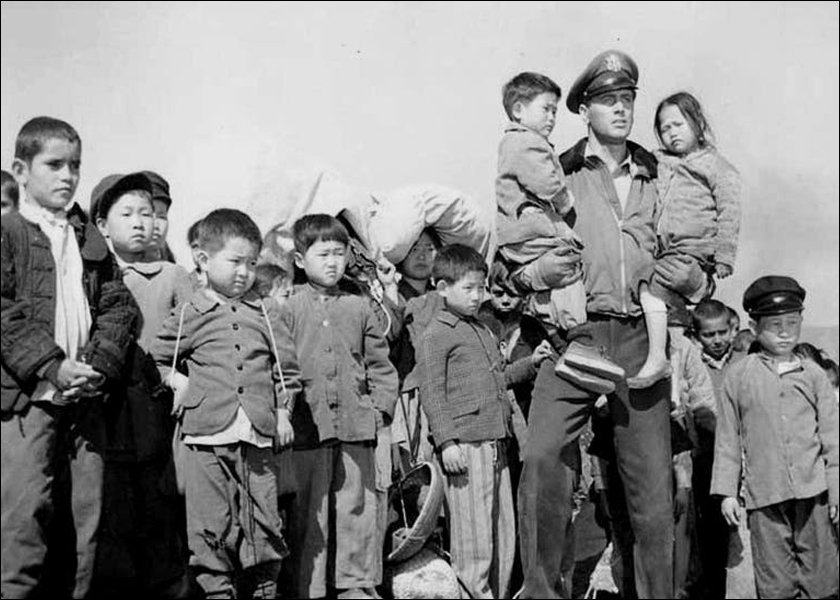
The 1951 Danyang Gokgye Cave Incident claimed the lives of at least 167 Koreans, 104 of whom were minors | By Yoon-joo Oh/Hankyoreh (Fall 2026)

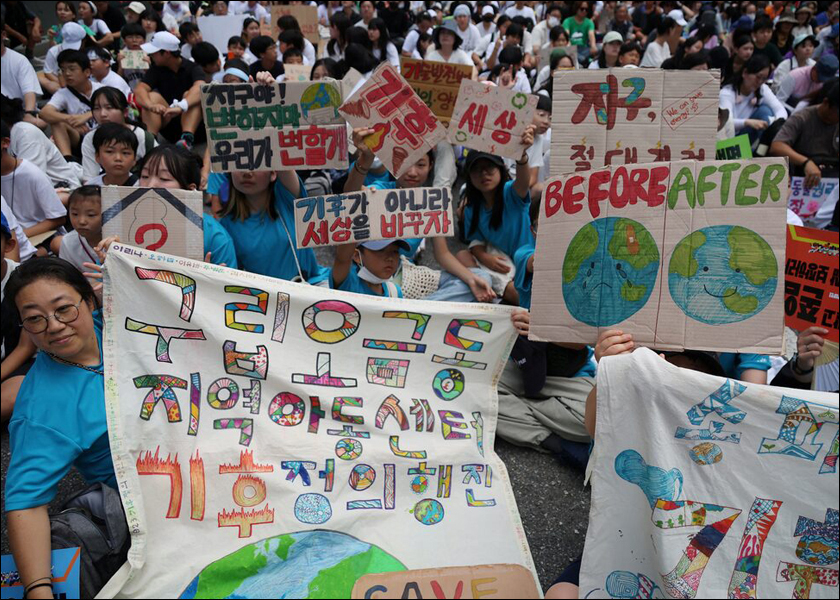
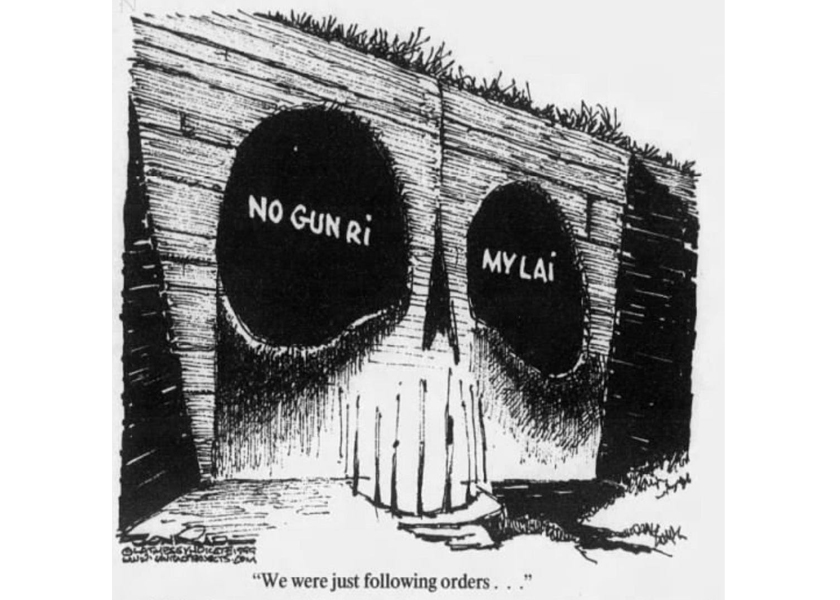
Seventy-five years after the Korean War, the Korean government seems poised to reckon with the U.S. bombing of Gokgye Cave in Danyang, North Chungcheong Province, which left hundreds of refugees and other civilians dead. As Koreans learn about war crimes committed by the U.S. — including the infamous massacre at No Gun Ri (Nogeun Village) — the government is taking steps to honor the victims and provide assistance to their loved ones.
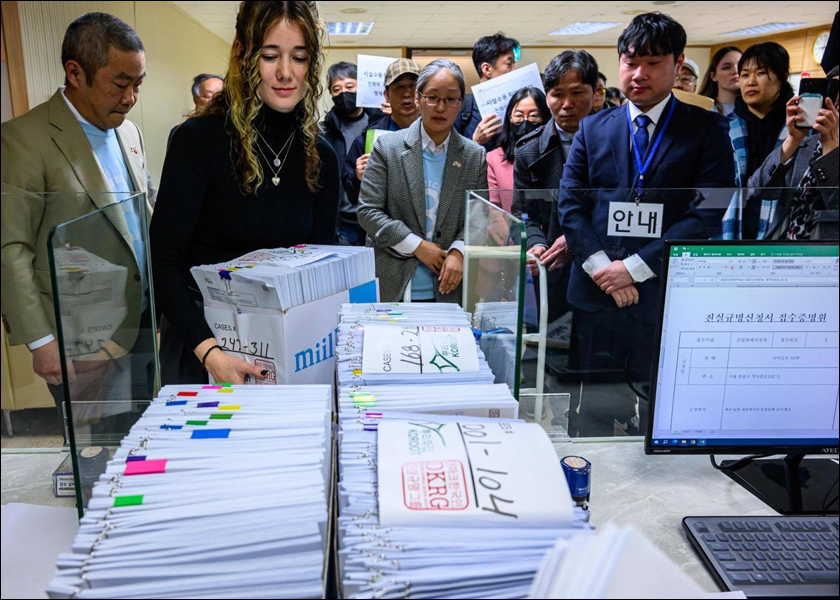
Rep. Tae-young Eom of the People Power Party (representing Jecheon city and Danyang County in North Chungcheong Province) was one of 12 lawmakers who introduced a bill concerning the “restoration of honor and compensation for victims of the Danyang Gokgye Cave Incident” to Korea’s National Assembly.
“Although the Danyang Gokgye Cave Incident is a tragic episode in our modern history, the surviving family members have had to live with that pain, without receiving any compensation, for 75 years. We hope that restoring the honor of the incident’s victims and their family members and providing them with compensation from the state will promote human rights and national unity,” said Eom, who is the bill’s lead sponsor.
The bill was modeled on the special act for the No Gun Ri Incident, another massacre of Korean civilians by U.S. bombing during the Korean War.
The No Gun Ri Incident took place on July 25-29, 1950, in the early days of the Korean War. In the incident, hundreds of refugees and other civilians were killed in the U.S. bombing of Ssanggul Bridge, on the Seoul-Busan railroad line, in the village of No Gun Ri (Hwanggan Township, Yeongdong County). The special act sought to restore the honor of the victims and compensate their families.
The bill on the Danyang Gokgye Cave Incident would set up a committee to review victim rehabilitation and compensation; disburse compensation, medical assistance and living expenses; safeguard the rights of the victims and their families; and organize memorial projects.
The amount of compensation suggested by the bill is 90 million won (U.S. $70,000) for deceased and missing individuals and up to 90 million won for individuals with lasting disabilities. The envisioned projects include organizing memorial events, building a monument, establishing a foundation and operating a memorial center.
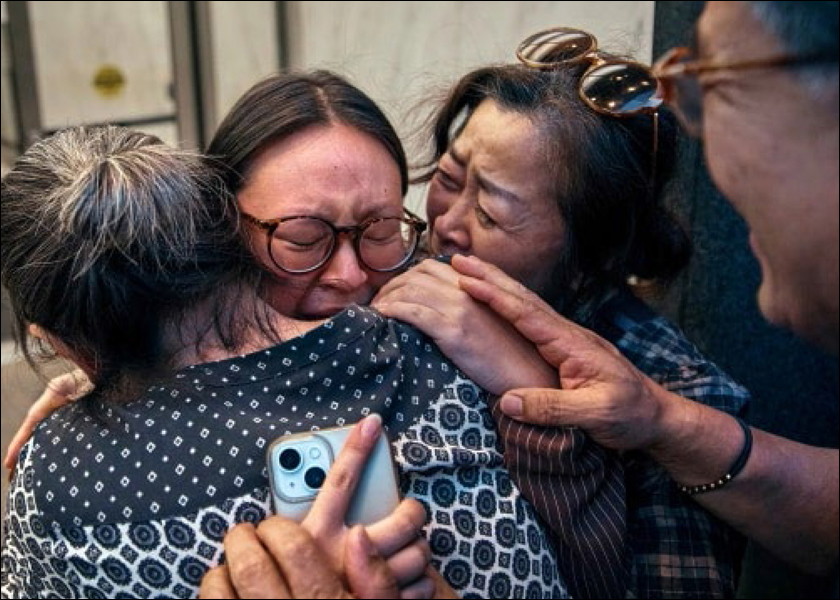
The families of victims of the massacre were gratified to hear about the bill.
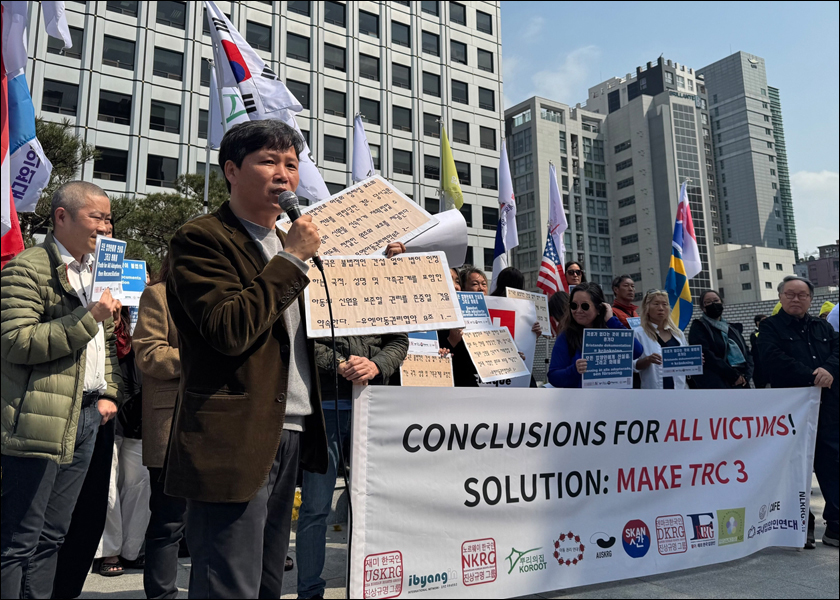
“Better late than never. This bill will help me stand proudly before my ancestors,” said Byeong-gyu Cho, the 79-year-old chair of an action committee for victims of the Gokgye massacre.
“We hope the bill passes so that compensation for the families and memorial projects can become a reality,” Cho said.
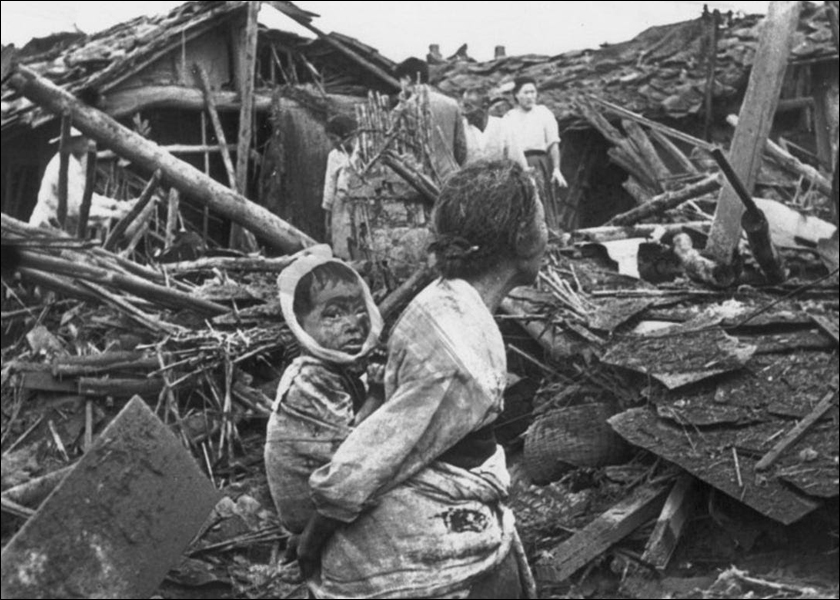
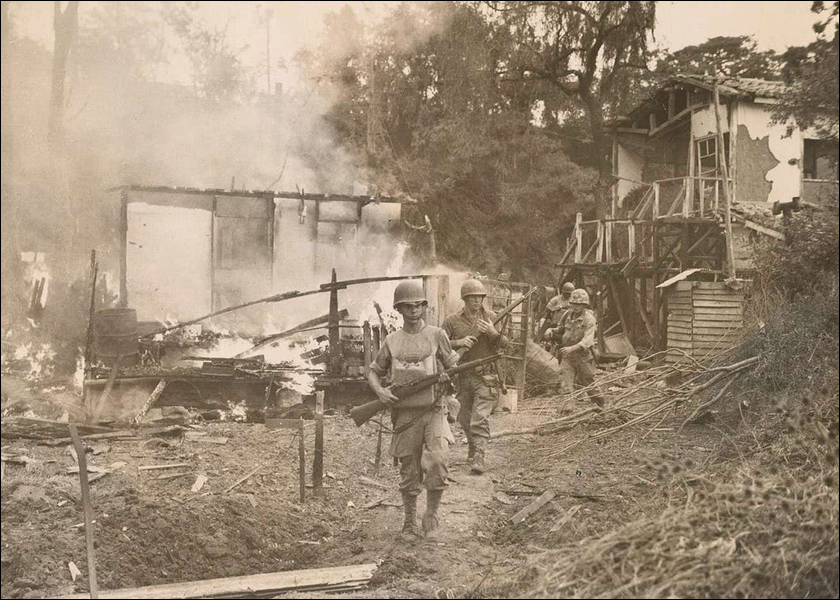
The Danyang Gokgye Cave Incident occurred in Sang Village, Yeongchun Township, Danyang County, on Jan. 20, 1951, while the Korean War was raging.

Gokgye (also called Goekke) is a spacious cave running for 80-100 meters. Many of the locals and refugees who had taken refuge there were killed in the U.S. bombing.
A leaflet from the time signed by the commander of UN forces said, “Any individuals or groups of individuals who move toward UN positions will be shot.”
The villagers, who had been warned that their village might be attacked, left their homes. But with American tanks blocking the roads, they fled to the cave, where they were slaughtered by U.S. bombers engaged in a scorched-earth campaign.
Korea’s Truth and Reconciliation Commission concluded in 2008 that over 200 people died in the massacre and recommended that Korea and the U.S. carry out a joint investigation and arrange for the payment of compensation and damages, but the issue was not followed up on until now.
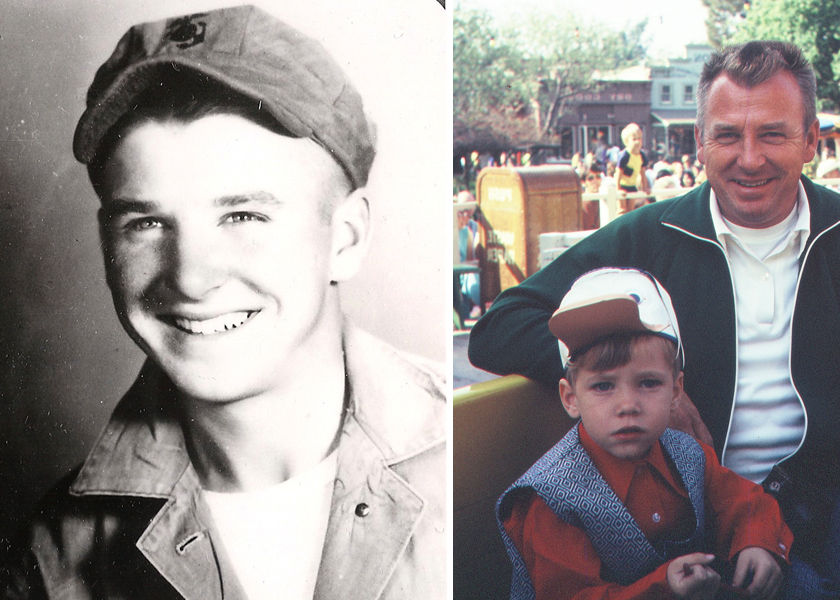
A total of 167 victims have been identified in the massacre, 104 of whom were minors. Even now, rites for deceased ancestors are held around the area on the same day.
Cho and other bereaved family members have pushed for a thorough investigation of the incident and for measures to rehabilitate the victims, but Seoul has been reluctant to act on crimes committed by the U.S. military.
“I was 4 years old at the time. I’d gone to hide in the cave but was kicked out because I was crying so much, which is how I ended up surviving. But my grandfather and three other family members didn’t make it,” Cho said.
“When you include those without any families to remember them, the total death toll is over 360,” he went on. “It’s time for the U.S. to stop passing the buck and for our government to take responsibility as well.”
By Yoon-joo Oh, Cheongju correspondent
Please direct questions or comments to [en*****@*****co.kr]